Why AI-Generated Images Are Under Fire in 2025
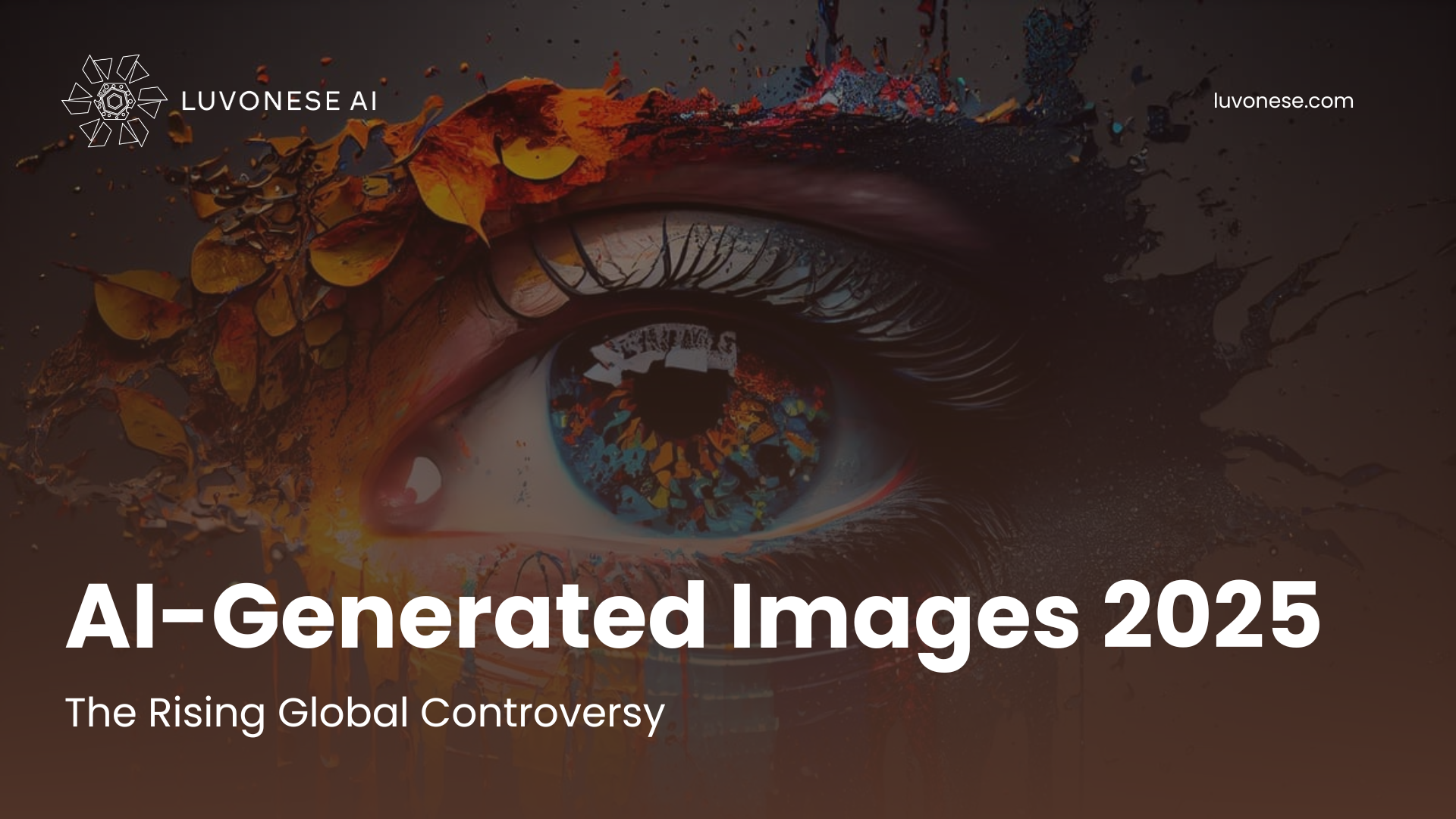
AI-generated images have become one of the most heated topics of 2025. As generative models grow more advanced, producing hyper-realistic visuals in seconds, concerns about authenticity, ethics, and ownership have reached new heights. The debate has expanded far beyond tech communities — it now involves governments, artists, brands, educators, and everyday users navigating a rapidly shifting digital landscape.
The Blurred Line Between Human Art and AI Output
One of the biggest questions emerging this year is: What counts as art? With AI able to mimic famous styles, reproduce complex lighting, and create “photographs” of people who don’t exist, artists argue that their unique identity is being diluted.
Many claim AI tools are trained on copyrighted artworks without permission.
Tech companies defend themselves, saying the process is “transformative,” sparking an ongoing legal battle around fair use and creative rights.
Copyright, Ownership, and the Fight for Regulation
In 2025, lawmakers worldwide are drafting new regulations to address ownership over AI-generated images. Key questions include:
-
Who owns an AI-generated image — the user, the AI company, or no one?
-
Should AI models be allowed to train on copyrighted images?
-
How do we protect artists without blocking innovation?
The U.S., EU, and several Asian countries have already proposed strict rules requiring AI platforms to disclose training data sources and watermark outputs.
Deepfakes Are Now Harder to Detect
Deepfake technology has evolved dramatically. AI-generated images of politicians, celebrities, and public figures have gone viral multiple times this year, often influencing public opinion before fact-checkers can intervene.
New models can create:
-
Hyper-realistic fake news photos
-
AI-generated crime scene images
-
Fake “leaked” celebrity content
-
Altered historical photos
Governments warn that the spread of deceptive imagery is a national security concern.
Brands and Media Struggle With Authenticity
Companies are facing a new problem: verifying whether media assets are real.
News outlets now must cross-check images before publishing. Brands must ensure their content isn’t misused or altered by malicious actors.
To address this, major platforms — including Meta, X, and TikTok — are implementing AI detection systems and mandatory “AI-generated” labels, though accuracy remains inconsistent.
Ethical Concerns: Bias, Representation, and Harm
AI image models have repeatedly been criticized for producing biased or harmful outputs. In 2025, several viral incidents highlighted:
-
Stereotyping certain races or cultures
-
Generating inappropriate images of minors
-
Reinforcing gender biases
-
Sexualized deepfakes targeting women
These issues have sparked global discussions on ethical AI development and the responsibility of companies to prevent misuse.
The Creative Industry Is Reshaping Itself
Artists, photographers, filmmakers, and designers are adapting to a new era where AI tools are both a threat and an opportunity.
Many artists now blend AI with traditional techniques, calling it a “new medium” rather than a replacement.
Meanwhile, large studios and agencies are using AI to accelerate workflows—storyboarding, pre-viz, concept art, and product mockups are now 5–10× faster.
Are AI Tools Really Replacing Human Creativity?
Despite fears, experts argue that AI still lacks emotional intuition and lived experiences. Human creativity involves meaning, storytelling, and perspective — qualities AI cannot fully replicate.
Instead of replacing creators, AI may reshape what creativity looks like.
The real challenge is balancing innovation with fairness.
What’s Next for AI Images in 2026 and Beyond?
Looking ahead, AI image generation will become even more integrated into daily life — from entertainment to advertising to education.
The future will likely include:
-
Global laws regulating AI training data
-
Universal watermarking for AI content
-
Better deepfake detection
-
Clearer copyright standards
-
Ethical frameworks for AI design
2025 is the year the world finally faced the realities of AI-generated imagery — and the conversation is just getting started.