A New Frontier in Music Creation
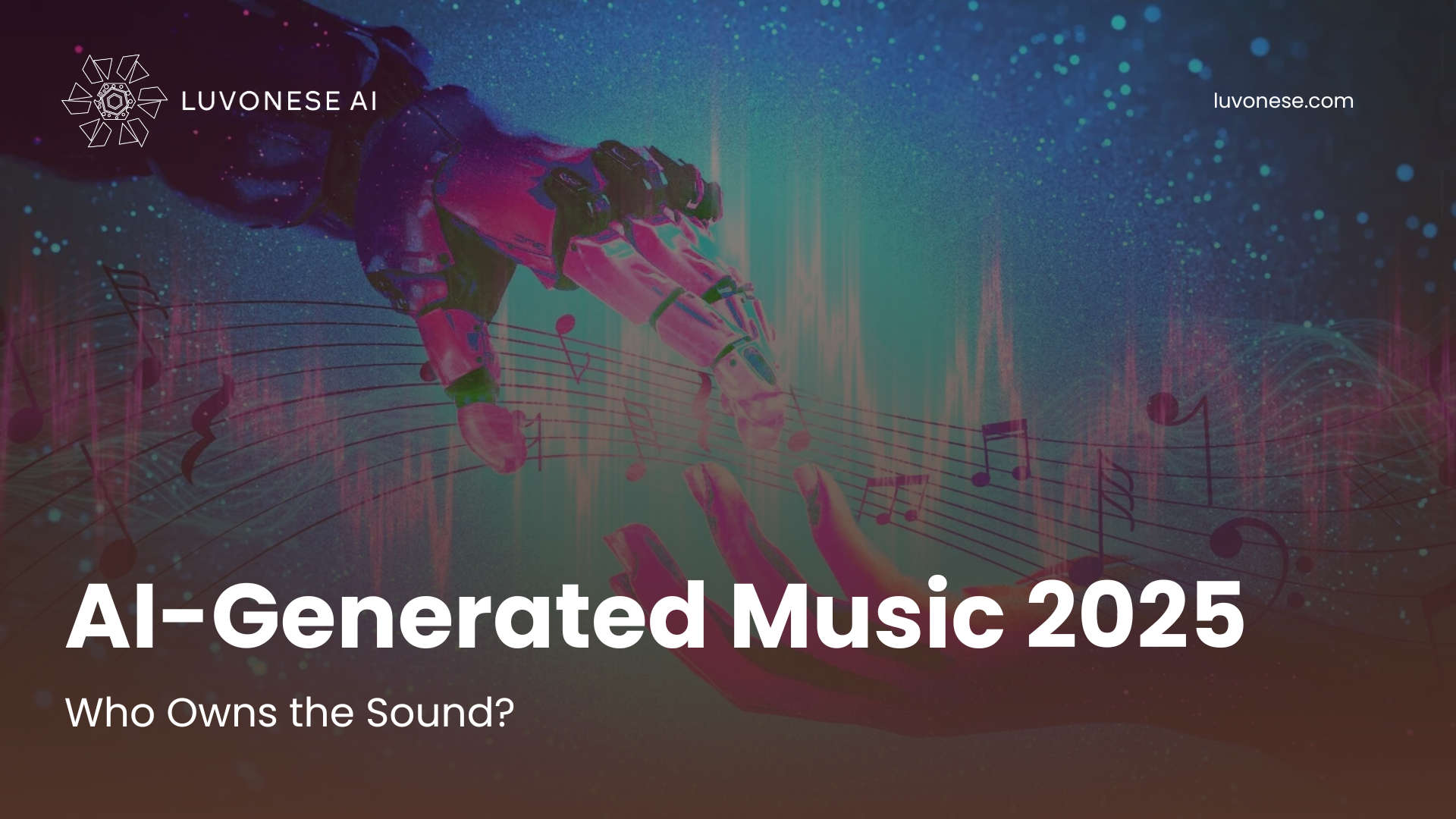
In 2025, AI-generated music has moved from experimental novelty to mainstream influence. Powerful generative audio models can now produce full songs — complete with vocals, harmonies, instrumentals, and mixing — in just seconds. This shift has raised big questions about creativity, copyright, and who truly “owns” the music produced by machines.
How AI Models Create Music
Modern AI music systems are trained on massive datasets that include songs, vocal styles, sound textures, and entire genres. These models learn patterns, mimic styles, and create new compositions that sound strikingly human. Some can even recreate the voices of famous artists with near-perfect accuracy.
This capability has fueled excitement — and controversy.
The Core Problem: Copyright & Training Data
One of the biggest debates in 2025 revolves around copyrighted training data. Artists argue that AI tools are learning from their work without permission or compensation. Music labels and rights organizations claim this constitutes “unpaid creative labor.”
AI companies respond by saying training is a transformative process, not copying.
This disagreement has triggered lawsuits across the U.S., Europe, and Asia.
Who Owns an AI-Generated Song?
The legal landscape is still unclear. Key questions being debated include:
-
Does the user who inputs prompts own the music?
-
Does the AI company own the output?
-
Is AI-made music copyrightable at all?
-
Should AI output be considered public domain unless humans modify it?
As of 2025, many countries are proposing new laws requiring:
-
Mandatory AI-output watermarking
-
Disclosure of AI involvement in music creation
-
Clear licensing models for training datasets
But global consensus is far from reached.
Vocal Cloning: A Major Ethical Flashpoint
AI voice cloning has become a major controversy. Using generative audio tools, anyone can create:
-
A fake Drake song
-
A new Ariana Grande vocal line
-
A choir that never existed
-
A “lost album” from an artist who passed away
Artists argue this violates identity and consent. Labels call it digital impersonation. Fans are split — some love the creativity, others worry about authenticity.
Opportunity or Threat for Musicians?
While many fear AI will replace musicians, others see it as a powerful creative tool. AI can:
-
Serve as a co-composer
-
Enhance songwriting ideas
-
Generate backing tracks instantly
-
Explore genres without limitations
-
Help beginners enter music creation
Several producers already use AI for demo production, sound design, and experimentation.
The challenge is ensuring artists remain fairly compensated and credited.
The Music Industry Responds
Major labels and streaming platforms have started implementing policies to handle AI music. Examples include:
-
Tagging AI-generated tracks
-
Banning unauthorized voice clones
-
Requiring proof of ownership for uploads
-
Developing AI-authenticity detection systems
Spotify, Apple Music, and YouTube are working on frameworks to prevent AI from flooding platforms with low-quality or deceptive content.
New Genres and Possibilities
AI hasn’t just recreated old sounds — it has created entirely new musical styles.
Generative audio tools can mix instruments that don’t exist, design futuristic rhythms, or blend global genres into new hybrids.
2025 might be the beginning of a new era of AI-driven genres.
What the Future of AI-Generated Music Might Look Like
Looking forward, experts predict:
-
Global laws defining AI training rights
-
Fair-pay systems for artists whose work trains AI
-
Ethical guidelines for vocal cloning
-
Tools that blend human & AI creativity seamlessly
-
New platforms dedicated to AI-human collaboration
AI-generated music won’t disappear — it will evolve. The real question isn’t whether AI will shape the music industry, but how society chooses to regulate, define, and embrace this new creative power.