
Clean Energy Momentum in Indonesia
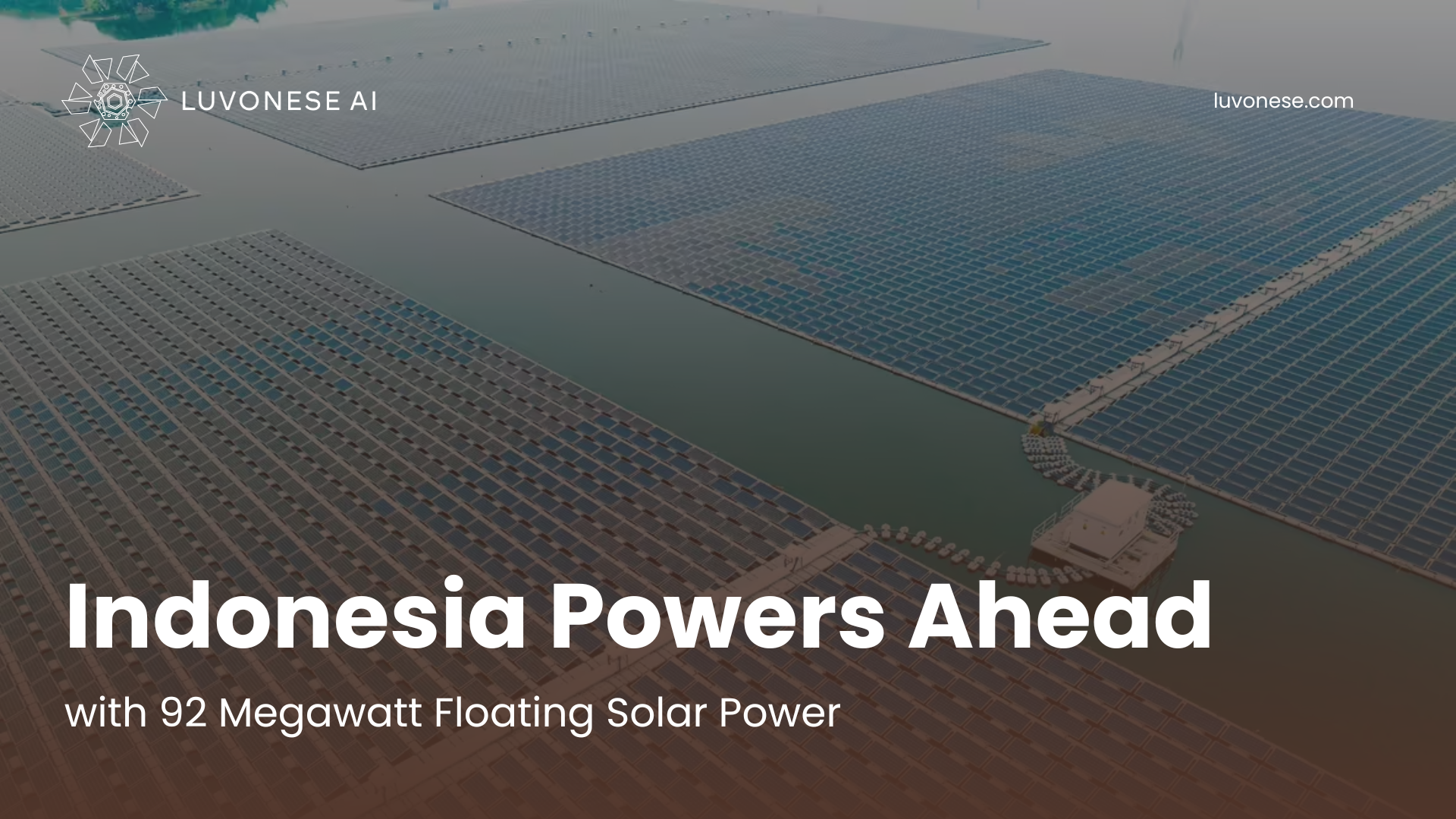
Indonesia is taking a bold leap toward a greener future with the launch of a 92 megawatt floating solar power plant in West Java. The project demonstrates the nation’s strong commitment to renewable energy, sustainable growth, and reduced reliance on fossil fuels.
This initiative is part of Indonesia’s broader strategy to achieve net-zero emissions by 2060 and diversify its energy mix. By embracing clean technology, Indonesia not only meets rising domestic energy demand but also strengthens its global reputation as a leader in renewable innovation.
Floating Solar: A Smarter Approach
Unlike traditional solar farms, floating solar power plants use water surfaces such as reservoirs or lakes to host solar panels. This method saves land, reduces water evaporation, and improves panel efficiency by keeping them naturally cooled.
The Cirata Reservoir in West Java was chosen as the project site for its vast calm waters, ideal for supporting large-scale floating installations. Studies by the International Renewable Energy Agency (IRENA) suggest that countries with extensive reservoirs like Indonesia have huge potential for floating solar systems.
Learn more about how floating solar works in this EnergySage overview.
Collaboration Behind the Project
The Cirata floating solar project is a joint venture between PT PLN Persero, Indonesia’s state-owned electricity company, and Masdar, a leading renewable energy developer from the United Arab Emirates.
Together, they aim to deliver clean electricity for more than 50,000 households and reduce over 120,000 tons of carbon emissions every year. The partnership represents a powerful collaboration between nations committed to sustainable development and long-term green investment.
Economic and Social Benefits
Beyond clean power, this project brings meaningful local impact. Construction and maintenance create hundreds of new jobs in West Java, boosting regional economies. It also provides training opportunities for local engineers, technicians, and environmental professionals, enhancing Indonesia’s renewable energy workforce.
Small businesses around the Cirata site are beginning to see new opportunities, from logistics and catering to eco tourism activities near the reservoir.
Government Support for Renewable Growth
Indonesia’s government has actively supported renewable investments through policies like feed-in tariffs, green financing, and tax incentives. Such initiatives aim to accelerate the transition from fossil fuels while ensuring energy security.
For more information about global renewable financing, explore the UN Environment Programme’s sustainable investment resources.
Environmental Advantages of Floating Solar
Floating solar panels minimize ecological disruption compared to land-based systems. They help reduce algae growth, stabilize water temperature, and limit evaporation, which is vital for regions vulnerable to drought.
The project’s environmental management plan ensures the ecosystem of the Cirata Reservoir remains protected throughout construction and operation. This balance between innovation and preservation makes floating solar a sustainable and responsible choice.
Read more about the broader environmental benefits of renewable energy from the World Resources Institute.
Challenges and Future Prospects
While the project is groundbreaking, floating solar technology also presents challenges. Engineers must design panels and mooring systems that can withstand fluctuating water levels, humidity, and storms. Additionally, strong regulatory frameworks and long-term financing are key to replicating similar projects nationwide.
However, Indonesia’s experience with the Cirata project could pave the way for dozens of future floating solar plants across the archipelago, turning its natural geography into a renewable advantage.
Regional and Global Significance
Indonesia’s entry into floating solar technology places it among Asia’s clean energy frontrunners. Neighboring countries such as Singapore, Vietnam, and Thailand are also experimenting with similar installations, creating a competitive but collaborative regional energy market.
With strong global demand for sustainable infrastructure, projects like Cirata are expected to attract more international investors who value long-term environmental impact alongside financial returns.
Conclusion A Brighter Greener Indonesia
The 92 MW floating solar power plant represents more than a technical achievement, it is a symbol of Indonesia’s renewable transformation. By combining local resources, international collaboration, and forward-thinking policy, the country is charting a new course toward sustainable progress.
As construction continues, the project offers a clear message. Indonesia is not just following the renewable revolution, it is helping to lead it.