When the US flights shutdown, the effects reach far beyond politics — they hit travelers, businesses, and the global economy. On November 5, 2025, the Federal Aviation Administration (FAA) ordered up to a 10% reduction in flights across 40 of America’s busiest airports amid the ongoing federal shutdown. AP News
The result: widespread cancellations, stranded passengers, and a growing sense of uncertainty heading into the holiday season.
How the Shutdown Grounded the Skies
The FAA’s decision came as a response to severe air traffic controller shortages caused by unpaid staffing during the shutdown.
Officials say the flight cut will begin at 4% and ramp up to 10% within days. Major hubs such as New York, Atlanta, Los Angeles, and Dallas are among those hit hardest. Al Jazeera
What It Means for Passengers
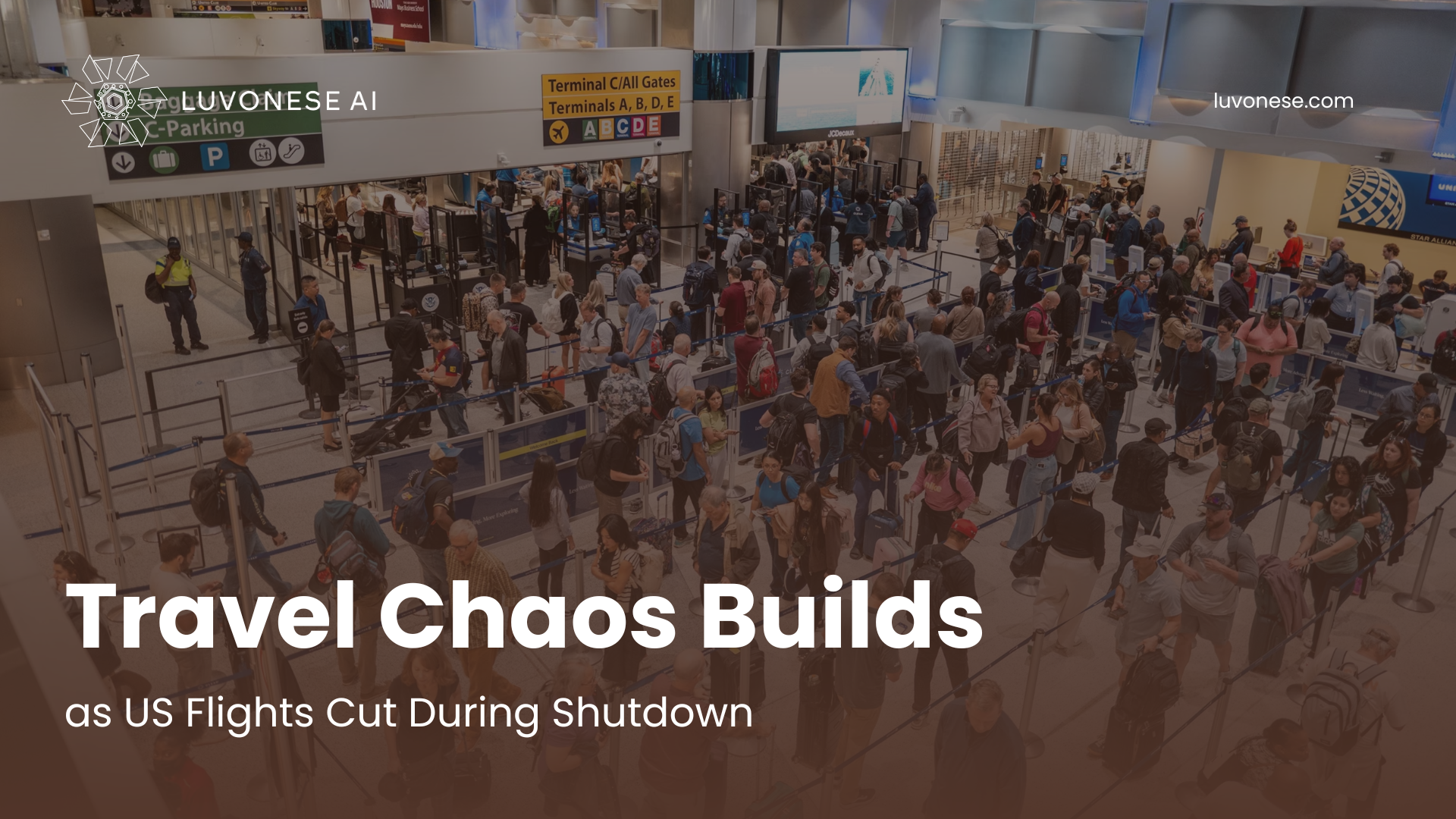
For travelers, the shutdown has turned airports into pressure cookers. Airlines like Delta and American have canceled hundreds of flights, leaving passengers scrambling for rebookings.
Families trying to reunite for holidays are facing delays, long lines, and unpredictable flight schedules. Refunds and re-routing challenges add another layer of frustration. NY Post
The Economic Cost of Disruption
Every grounded flight comes with a price tag. Analysts estimate that each day of flight reductions could cost the U.S. economy over $150 million in lost productivity and consumer spending.
Travel and logistics industries are bracing for ripple effects — from tourism revenue loss to delayed cargo shipments impacting manufacturing and retail supply chains.
Airlines Struggle to Adapt
Airlines have been forced to consolidate routes, cut non-essential flights, and negotiate with unions to keep skeleton crews operating safely. The Air Line Pilots Association has warned that fatigue and overwork may soon create safety risks if the situation drags on.
Global Ripple Effects
The crisis doesn’t stop at U.S. borders. Global carriers connecting through American hubs are now facing delays and cancellations, creating ripple effects from London to Tokyo.
International cargo networks are also feeling the pinch, as fewer available routes mean slower supply chains and higher freight costs. The Guardian
Why the FAA Took This Step
The FAA said it had no choice. Air traffic controllers — critical to aviation safety — have been working unpaid since the shutdown began on October 1, 2025. Fatigue and absenteeism skyrocketed, forcing leadership to cut air traffic to maintain safety margins. Reuters
What Could Happen Next
If Congress fails to resolve the shutdown soon, the FAA might extend or deepen flight cuts into December. Experts warn this could trigger a travel crisis just as peak season begins.
Even if operations normalize, the backlog of delays and cancellations may take weeks to clear. Meanwhile, airlines face higher costs, lower revenues, and passenger dissatisfaction.
Lessons for Resilience
This shutdown has exposed a painful truth: modern air travel depends on government stability. Without it, safety systems, staffing, and coordination crumble.
It’s also a reminder for airlines and travelers alike — resilience planning and flexible infrastructure are no longer optional; they’re essential in an age of uncertainty.
Final Thoughts
The U.S. flight shutdown is more than an inconvenience; it’s a test of how a nation’s critical infrastructure weathers political storms.
As planes stay grounded and passengers wait, one thing is clear — when governance stalls, the world’s most connected systems can come to a halt.
Stay informed with global developments shaping our future — explore more impactful stories at Luvonese.com