The Longest U.S. Government Shutdown in Decades
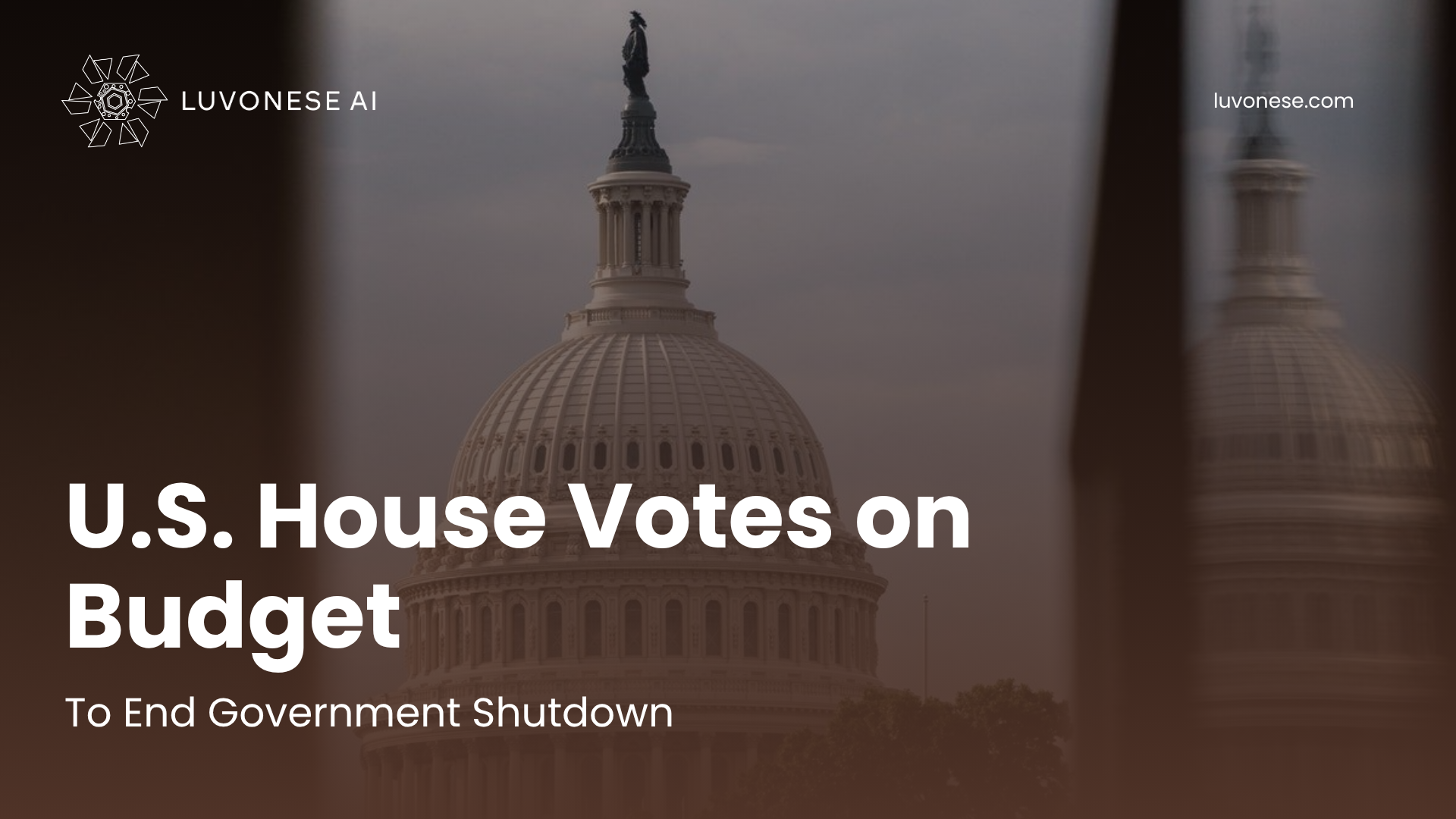
The U.S. House of Representatives has reconvened in Washington to vote on a crucial budget resolution aimed at ending the U.S. government shutdown, now entering its 53rd day — the longest in modern American history.
The Senate has already approved the bill, but sharp partisan divides over spending priorities threaten to prolong the impasse.
(Source: Reuters)
What’s Inside the Proposed Budget
The proposed legislation seeks to reopen shuttered federal agencies and restore halted programs.
However, key sticking points remain — particularly around Supplemental Nutrition Assistance Program (SNAP) and healthcare subsidies, two of the largest federal social aid systems.
Critics warn that while the deal could restart government operations, it might also add trillions to the national debt.
SNAP and Healthcare at the Center of Debate
Democrats argue the new budget must protect vulnerable families who rely on food aid and public healthcare.
Republicans counter that unchecked spending is driving unsustainable debt levels.
Both sides claim fiscal responsibility, but consensus on priorities remains elusive.
Senate Passes the Bill, Eyes Turn to the House
Earlier this week, the U.S. Senate approved the budget deal with rare bipartisan support.
Senate Majority Leader Chuck Schumer hailed the outcome as “a step toward stability,” while Minority Leader Mitch McConnell urged for “long-term fiscal discipline.”
Now, all attention turns to the House, where divisions run deeper.
The Economic Cost of Political Gridlock
Economists estimate that the shutdown has already cost the economy more than $25 billion in lost productivity.
Hundreds of thousands of federal employees remain unpaid, and small businesses depending on federal contracts have been hit hardest.
Confidence in government efficiency is declining, raising concerns about lasting damage to public trust.
What Comes Next
House Speaker Mike Johnson confirmed that a vote would be held within the next 48 hours.
If approved, the measure would allow federal operations to resume within days.
If rejected, another wave of furloughs and service suspensions could deepen the crisis.
Public Reaction and Political Consequences
Polls show that nearly two-thirds of Americans blame Congress for the gridlock.
Analysts warn that the prolonged U.S. government shutdown could significantly affect the 2026 midterm elections, influencing public sentiment on leadership competence and fiscal management.
Global Markets Watch Anxiously
Global investors are closely watching Washington’s next move.
U.S. Treasury yields rose slightly, while gold prices strengthened amid fiscal uncertainty.
The dollar slipped marginally as traders priced in the risk of prolonged instability.
Rebuilding Trust with Intelligence
When governance falters, intelligence and innovation must step forward.
AI-driven insights can help governments, media, and institutions anticipate risks, improve transparency, and rebuild public confidence.
Transform how you manage data, decisions, and digital infrastructure powered by artificial intelligence.
Visit Luvonese.com to explore how our AI solutions enhance governance, communication, and decision-making in complex environments.